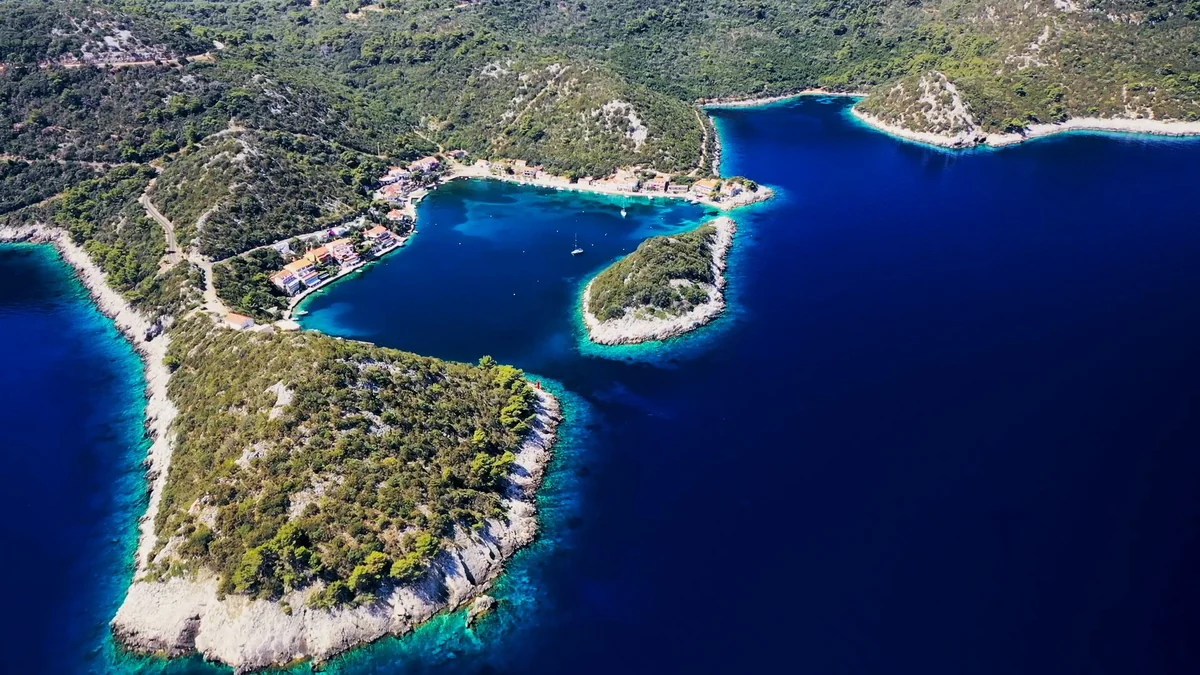
 Sailing Route
7-Day Sailing Route from Split: Brač, Hvar, Lastovo, Vis & Šolta
Danielis, 12 Nov 2026


 Filters

How Can We Help With Your Charter?
Share a few details and our team will prepare tailored yacht options and a clear next step.


Croatia is one of the easiest and most rewarding places in the world to charter a yacht. More than a thousand islands, islets and reefs lie along the Adriatic coast, most of them within a few hours’ sail of each other, so you can wake up in a medieval harbour town, swim at lunchtime in a bay with no road access and have dinner in a fishing village, all without a long passage. The water is clear and warm from June to September, the summer winds are mostly steady and predictable, and there are well-equipped marinas, town quays and mooring buoys almost everywhere you want to stop.
The routes on this page are prepared by the Danielis Yachting team. Each one is a realistic week at sea with the distances between stops, where to moor, when to arrive and what is worth seeing ashore, so you can compare options before you book and plan your days on board with confidence. Below you will find an overview of the sailing regions, the best time to go, the winds to watch and practical tips that apply to every route in Croatia.
The Croatian coast is usually divided into five sailing areas, and each has its own character.
Istria, in the north-west, is the region closest to Central Europe, and many guests simply drive to its marinas. The west coast is fairly open with few islands, so it suits sailors who enjoy longer coastal legs between towns such as Rovinj, Poreč and Pula, with excellent food and wine ashore.
Kvarner, between Istria and Dalmatia, has large green islands such as Krk, Cres, Lošinj and Rab, deep sheltered harbours and some of the quietest anchorages in the Adriatic. It is also the area most exposed to the bura, so it rewards crews who keep a close eye on the forecast.
North Dalmatia, around Zadar, Biograd and Šibenik, is a maze of low, rocky islands. The Kornati archipelago and Telašćica Nature Park are the highlights, and Šibenik is the gateway to the Krka River, where you can sail inland to Skradin and visit the waterfalls. Distances are short and there are countless bays, which makes it a good region for a first week.
Central Dalmatia is the most popular region and the busiest in July and August. From Split and Trogir you reach Brač, Hvar, Vis, Šolta and the Pakleni Islands in a few hours, combining lively towns such as Hvar with fishing villages and remote bays on Vis. Many routes start here because the bases are well connected by air, ferry and road.
South Dalmatia, from the Pelješac peninsula to Dubrovnik, includes Korčula, Mljet, Lastovo and the Elaphiti Islands. The islands are greener and further apart, the national park on Mljet and the nature park on Lastovo are among the most unspoilt places on the coast, and arriving in Dubrovnik by sea is something you will not forget.
The main sailing season runs from late April to the end of October. July and August are the warmest and busiest months: the sea is around 24 to 26 °C, every town stays open late and marinas fill up early in the afternoon. If you are flexible, June and September are hard to beat, with warm water, steady breezes, lower prices and far more space in harbours and bays. May and October suit crews who prefer quiet islands and fresher sailing, but some restaurants on the smaller islands open later in spring and close earlier in autumn.
Most charters run from Saturday to Saturday. You board on Saturday afternoon, return to the base on Friday evening and check out on Saturday morning, and our seven-day routes are planned around exactly that rhythm.
Summer weather is generally settled, but three winds shape every sailing week in Croatia.
The maestral is the friendly one: a north-westerly sea breeze that usually builds around midday, blows at 10 to 20 knots through the afternoon and dies down in the evening. It is the reason many skippers make their longer passages after lunch and plan to be in port by late afternoon.
The bura (bora) is a cold, dry north-easterly that falls from the mountains in strong gusts. It is most common outside the summer, but it can appear in any season, often with little warning in the sky, and it is strongest in Kvarner and under the Velebit mountains. When the bura is forecast, choose a harbour or bay protected from the north-east and stay put.
The jugo is a warm, humid south-easterly that builds slowly over a day or two, brings cloud and sometimes rain, and raises long waves on open stretches. It is more frequent in spring and autumn, and passages to the outer islands, such as Vis or Lastovo, are best avoided when a strong jugo is expected. Check the marine forecast every morning; marinas and harbour offices post it daily.
Split, Trogir and the marinas around them are the most practical choice for Central Dalmatia, with direct flights to Split for most of the season. Šibenik, Biograd and the marinas near Zadar give the quickest access to the Kornati and North Dalmatia. Dubrovnik is the base for the south, while Pula and the Istrian marinas suit guests travelling by car from Central Europe. When you compare bases, think about how you will get there on Saturday, how far the most interesting islands are from the marina and whether you want to finish in the same port.
Most routes are loops that start and finish in the same base, which keeps the charter simple and the price lower. One-way charters, for example from Split to Dubrovnik or the other way round, let you see more of the coast in a week without sailing back over the same water, but they usually come with a one-way fee and depend on availability. Each route shows the total distance, so you can see at a glance how much time you will spend under sail.
On a bareboat charter you sail the yacht yourself. The skipper needs a recognised boat licence, and at least one person on board must hold a VHF/SRC radio certificate. If no one in your group has a licence, or you simply prefer to relax, you can hire a local skipper who knows the harbours, the winds and the best restaurants. On a crewed charter, usually on larger catamarans, motor yachts and gulets, a skipper and a host or cook take care of everything, and the route is adapted to your wishes every day.
Croatian marinas are well equipped, with water, electricity, showers and fuel close by, and in many of them you can reserve a berth in advance. Town quays put you right in the centre of places like Hvar, Vis or Korčula, but in high season they work on a first-come, first-served basis, so plan to arrive by early afternoon. In many popular bays you will find mooring buoys, which are safer than anchoring on a crowded seabed and protect the seagrass meadows. Some waterfront restaurants also offer a buoy or a place on their jetty to guests who come for dinner.
Anchoring is free in most places, but it is restricted in some protected areas and harbours, and in a few bays a fee is collected. Always check the holding and the forecast before you spend a night at anchor, and choose a bay sheltered from the wind expected overnight, not only from the wind that is blowing when you arrive.
Several of the most beautiful places on the coast are protected. Kornati National Park, Mljet National Park and the nature parks of Telašćica and Lastovo charge an entry fee for yachts, and in some of them anchoring, fishing or diving is allowed only in marked areas. Tickets are usually cheaper when you buy them in advance than on the spot. Krka National Park is best visited from Skradin, where you moor in the marina and take the park boat to the waterfalls.
When you compare offers, remember that the charter price usually covers the yacht itself. Typical extras are the transit log or final cleaning, tourist tax, fuel, marina and buoy fees, park tickets and a skipper if you hire one. Marina berths in high season are the biggest variable: a week that mixes town quays, buoys and a night or two at anchor is often both cheaper and more varied than a week spent only in marinas. A refundable security deposit is taken at check-in, and with many charter companies it can be replaced by deposit insurance.
Every itinerary on this page is an example, not a timetable. On board, the plan is always adapted to the wind, the weather and how your crew feels on the day, and a good skipper will happily swap two stops or add a lazy day in a favourite bay. Use the routes to understand the distances and what each island offers, pick the one that matches your experience and style, and let Danielis Yachting help you find the right yacht, the right base and the best dates for your week at sea.
Sailing Route
Danielis, 12 Nov 2026
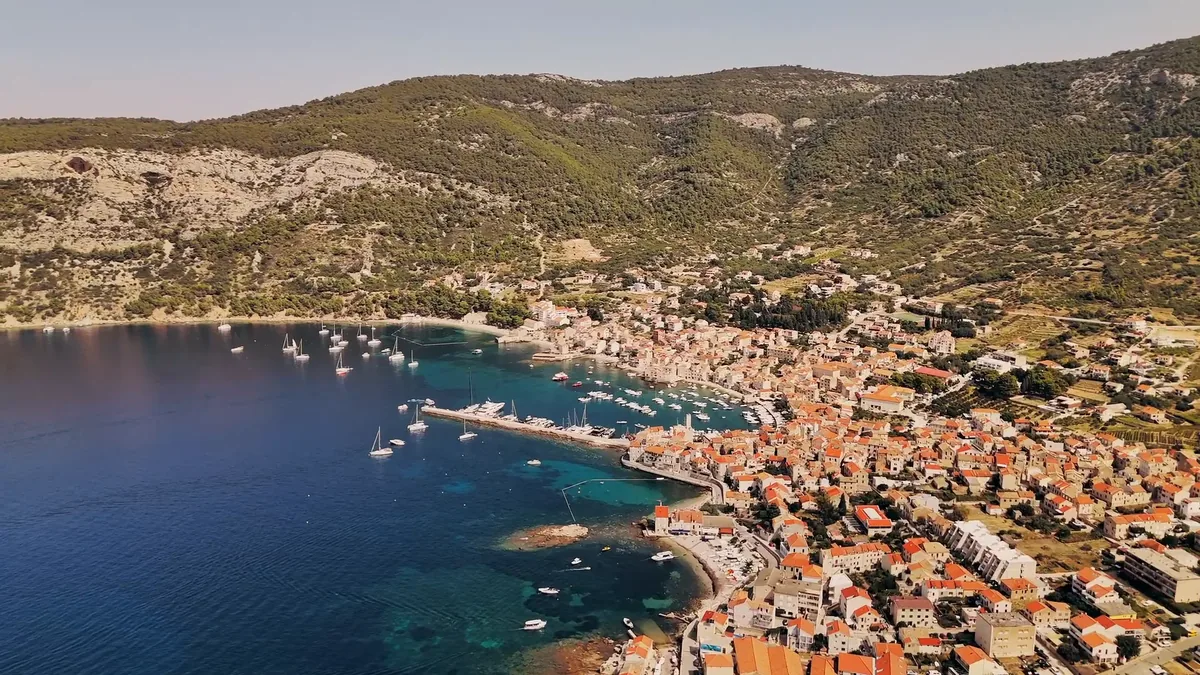 Sailing Route
Danielis, 5 Nov 2026
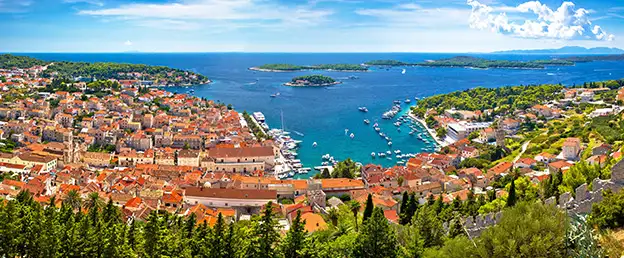 Sailing Route
Danielis, 7 Nov 2022
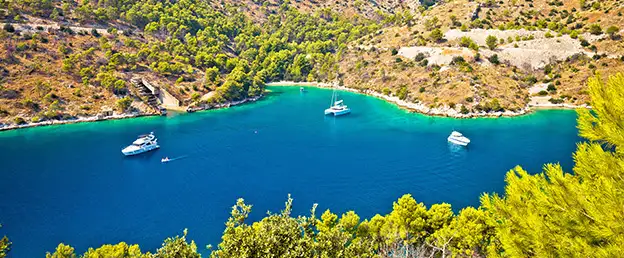 Sailing Route
Danielis, 25 May 2022
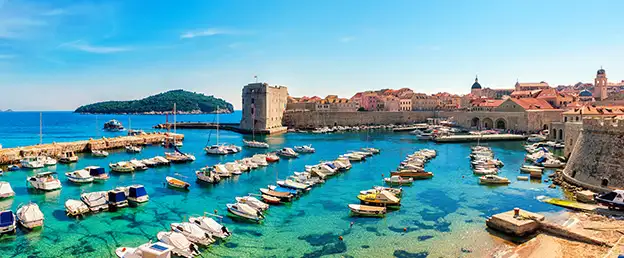 Sailing Route
Danielis, 25 May 2022
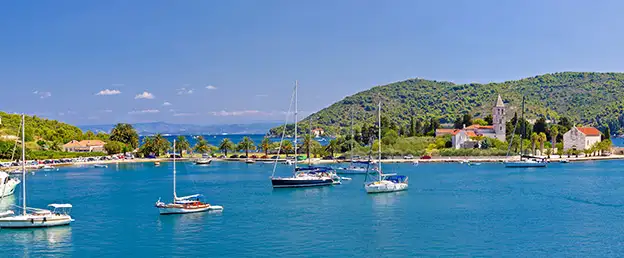 Sailing Route
Danielis, 25 May 2022
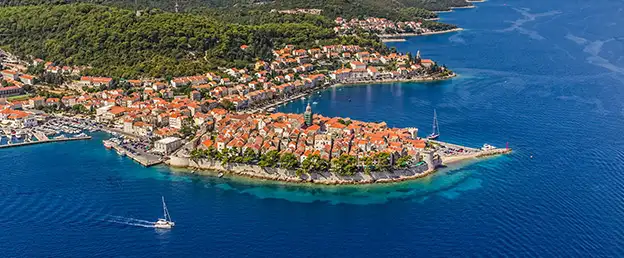 Sailing Route
Danielis, 25 May 2022
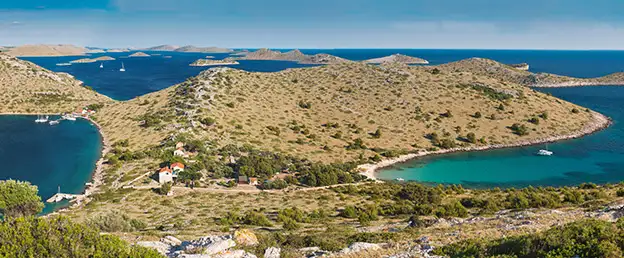 Sailing Route
Danielis, 25 May 2022
Plan your perfect sailing adventure with Danielis Yachting - select your yacht, choose your destination, and set sail!
Contact Us Charter type
 Destinations
Get the best charter deals and tips
Early-booking discounts, last-minute offers and insider route tips.